

Most people don’t run out of money because they chose the wrong material.
They run out of money because they compared the wrong things.
And the tricky part is that it doesn’t feel wrong when you’re making the decision.
When you start planning your build, the first instinct is almost always the same:
Stone vs precast… EPS vs precast… stone vs ISSB…
And the question that follows is predictable:
“Which one is cheaper?”
It sounds logical. Responsible, even.
But that’s exactly where the problem begins.
You’re Not Comparing Systems. You’re Comparing Materials
At the early stages, most homeowners focus on material cost.
A stone. A panel. A block.
That number becomes the reference point.
But what it doesn’t show you is everything that comes after delivery.
Because once the material arrives on site, the real cost journey begins:
- Labour required to install it
- Time it takes to complete
- Skill level needed for proper execution
- And most importantly… the finishing required
And this is where budgets quietly start to shift.
What the “Cheapest Option” Doesn’t Show You
Take machine-cut stone, for example.
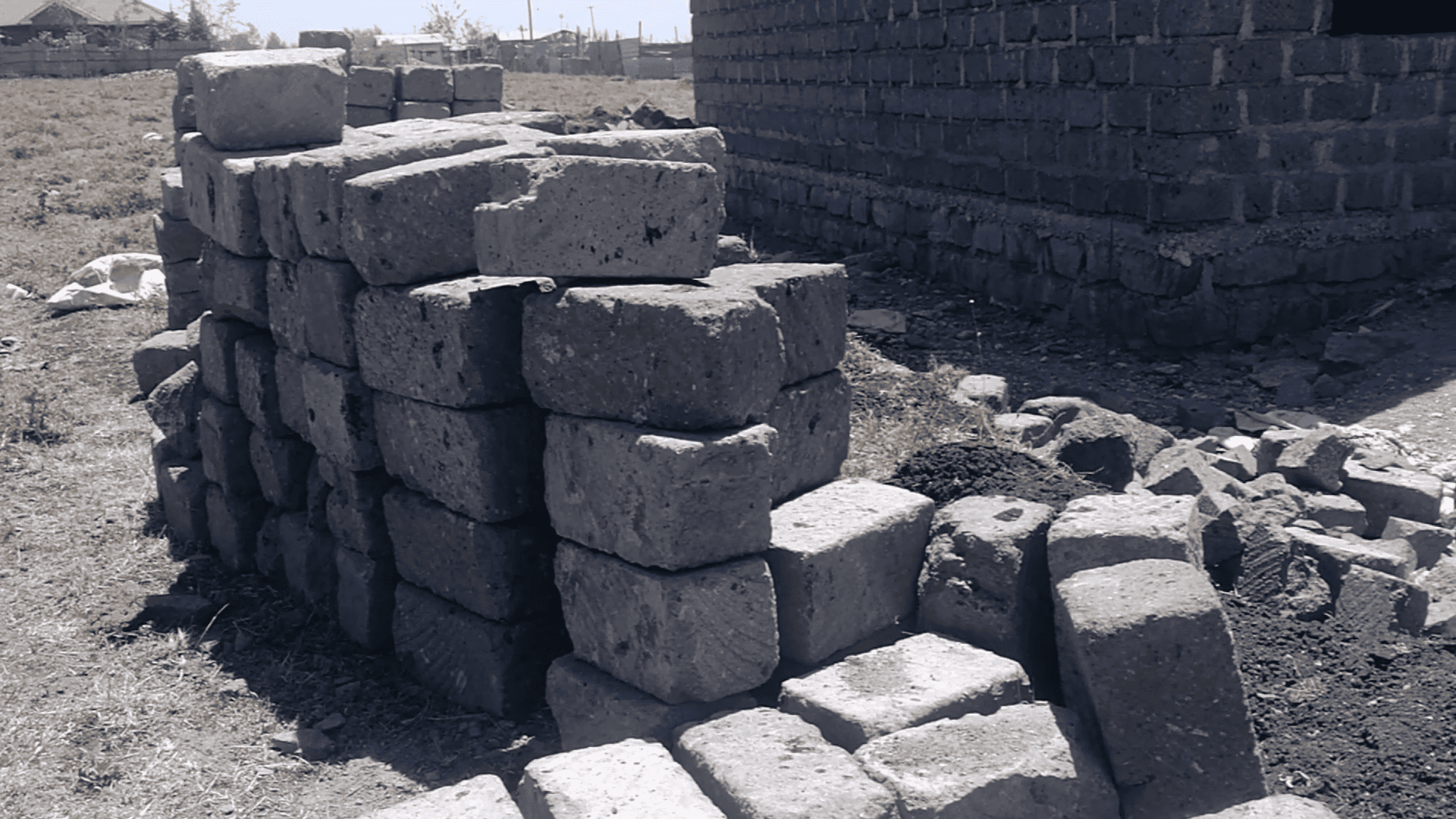
It’s familiar. Widely used. And at first glance, affordable.
But in most cases, stone walls require plastering on both the inside and outside.
And once you factor that in, the total wall cost increases significantly.
What seemed cheap at the material level becomes more expensive at completion.
Now consider ISSB (Interlocking Stabilised Soil Blocks).
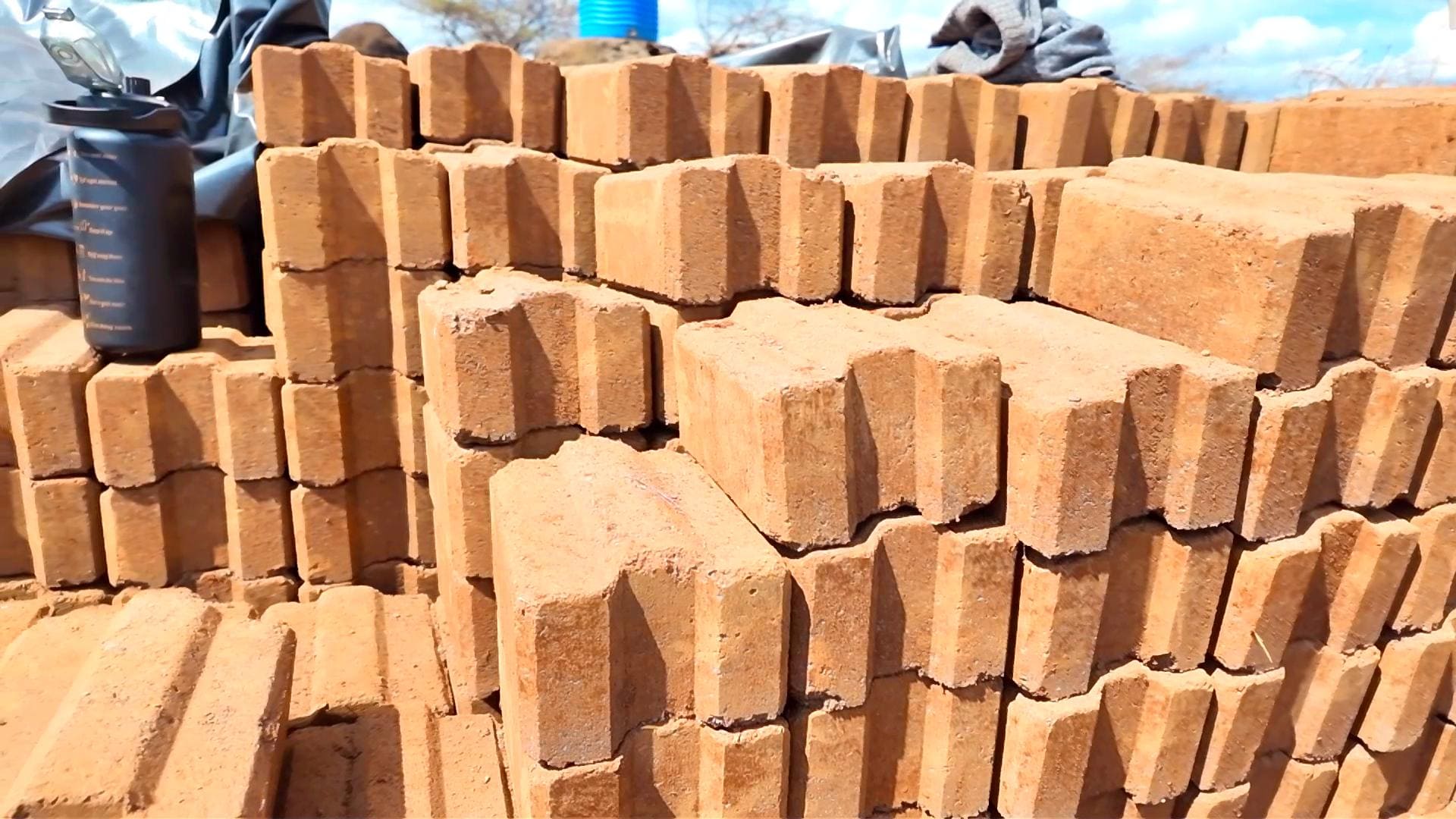
ISSB can be very cost-effective—especially if you produce the blocks on-site.
You save on mortar. You reduce labour.
And when done right, the finish can be clean and appealing.
But performance depends heavily on execution:
- Soil quality
- Stabilization
- Proper curing
And if your goal is a painted finish, you’ll still need plastering which adds cost.
EPS panels tell a different story.
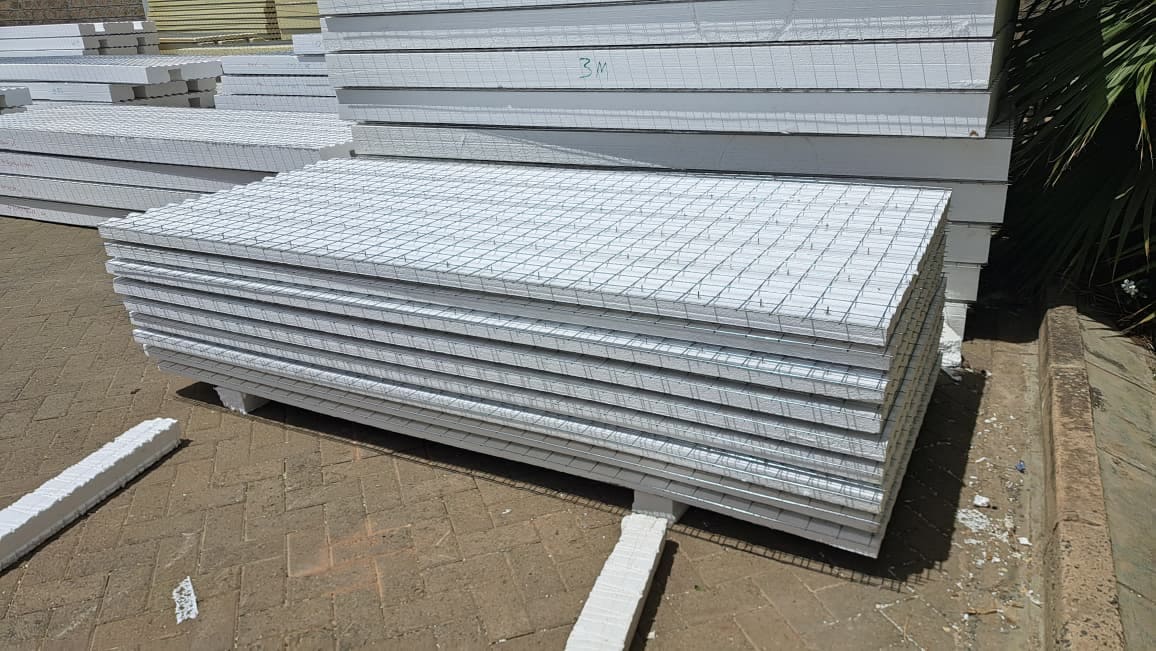
They are lightweight, insulated panels.
But they don’t carry structural load on their own.
To make them functional, you must add shotcrete.
And that’s where the cost climbs.
EPS works well if your priorities are speed and insulation.
But if your main goal is staying within a tight budget, it can easily stretch it.
Then there are precast panels.
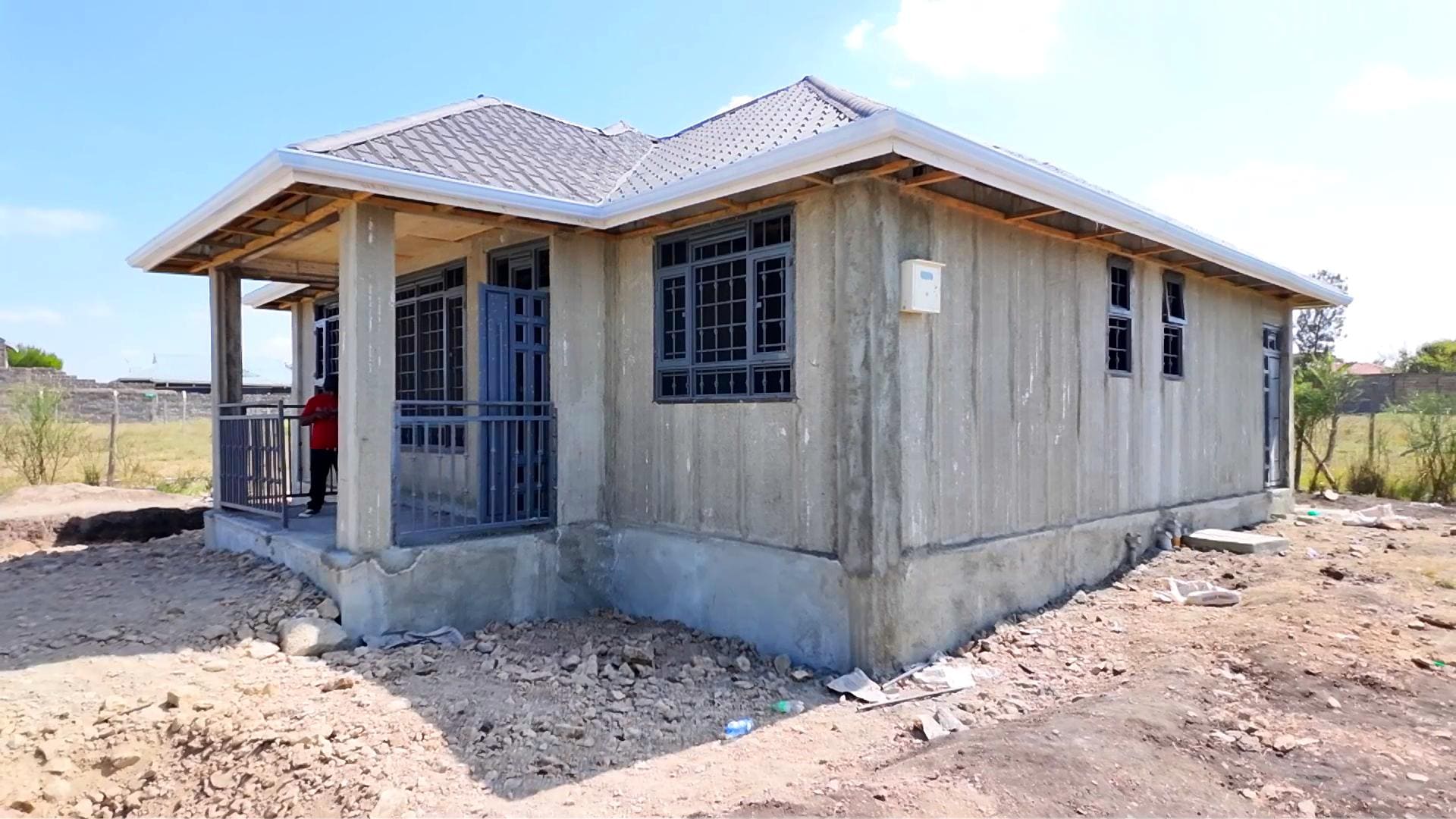
Unlike EPS, precast comes as an almost finished concrete product.
Which changes everything.
You don’t need full plastering.
Once installed, you’re already thinking about skimming and painting.
So even when the material cost looks similar to stone, the overall system behaves very differently.
The Real Question You Should Be Asking
The goal isn’t to find the cheapest material.
It’s to understand what it takes to move from foundation…to a fully finished house within your budget.
Because that’s where most projects either stay on track… or fall apart.
If You’re Planning to Build, Don’t Guess
In this video, I simplified the comparison.
But inside Module 6 of the Alternative Building Technologies Masterclass, there’s a full breakdown of walling and slab cost comparisons.
So you can clearly see what each system actually costs when fully executed.
The Alternative Building Technologies Masterclass

Final Thought
Take your time before you decide.
But make sure you’re comparing construction systems and not just materials.
Because that one shift in thinking can save you a lot of money…and a lot of stress.